

And Still We Rise, the latest work by African philanthropists Tsitsi Masiyiwa and Tanya Masiyiwa, was launched on 13 March 2026, offering a reflective account of African-led philanthropy through a collection of personal narratives from across the continent.
The publication draws on more than three decades of philanthropic work, presenting stories that centre on resilience, access to opportunity, and the long-term outcomes of investing in people. Rather than engaging with policy frameworks or theoretical approaches, the book focuses on lived experiences of individuals and communities whose trajectories have been influenced by education, healthcare, and social support initiatives.

Tanya Masiyiwa
Positioned within a broader conversation about development in Africa, the book presents a perspective that challenges conventional narratives of philanthropy. It emphasises the role of locally driven solutions in addressing systemic challenges, while also highlighting their contribution to shaping future development pathways on the continent.
According to Tanya Masiyiwa, the intention behind the book was to foreground the voices of individuals whose lives have been directly impacted by such initiatives. The narratives reflect a range of experiences, including those of people who initially received support and later assumed leadership roles within their own communities.
The accounts featured span multiple sectors, including entrepreneurship, education, and healthcare. Collectively, they illustrate recurring themes of continuity, shared responsibility, and the importance of sustained investment in human potential.
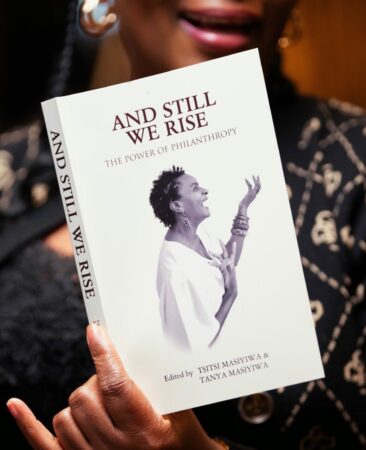
The book is also informed by the work of Higherlife Foundation, which was co-founded by Tsitsi Masiyiwa in 1996. The organisation’s focus on expanding access to education and other essential services has contributed to a wide network of beneficiaries across Africa, many of whose experiences inform the narratives presented in the publication.
Tsitsi Masiyiwa notes that the stories documented in the book reflect long-term observations about the outcomes of consistent and intentional investment in people. The emphasis, she suggests, extends beyond philanthropy as a concept to include broader considerations of dignity, access, and opportunity.
As the first instalment in a planned series, And Still We Rise contributes to ongoing documentation of African-led approaches to development and philanthropy. It also reflects a growing shift towards recognising the value of African-led institutions and community-based initiatives in driving sustainable change.
Through its focus on individual and community experiences, the book provides insight into how sustained, locally rooted initiatives can influence long-term social and economic change, while contributing to a broader understanding of development across the continent.
