
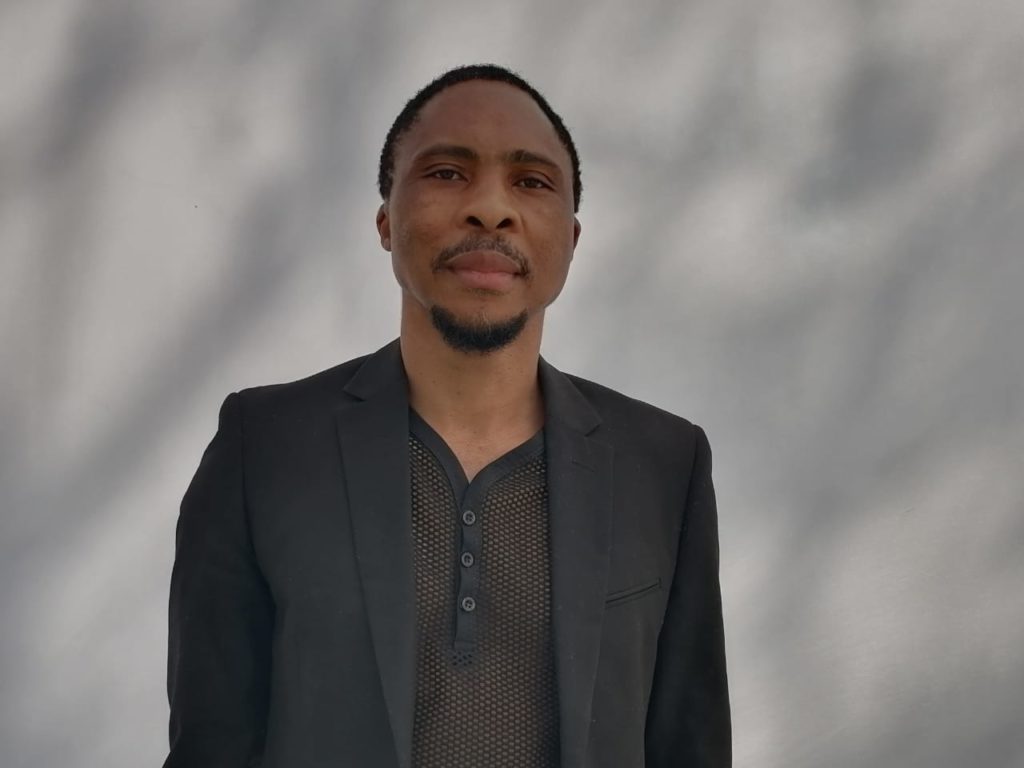
What happens when a successful young entrepreneur loses everything? From clients, friends, a house, even a wife. Only a few entrepreneurs would claw their way back, and revitalise themselves under those circumstances.
By Dumisani Hlatswayo
Being on top of your game is no guarantee that nothing can go wrong in your business. No one understands this lesson better than Khehli Mpanyane. He is one of those few entrepreneurs who ventured into business just after college. While he mostly attributes luck to running a thriving business at a younger age, the truth is his success in business was due to two things: a burning ambition and a drive to succeed. He has written a book titled, “From Bad to Worse”, which documents his life experiences as a young business man who lost it all but still managed to bounce back.
Flexing his entrepreneurial muscles at a young age meant Mpanyane was bound to make several mistakes such as choosing wrong business partners, and investing in wrong businesses.
“Obviously throughout the journey you venture into many businesses while trying to find your passion,” he tells Transform SA Online. As a 28-year-old property agent, there were months when Mpanyane would sell up to eight houses and rake in a lot of money. From there, he partnered with a friend to start a restaurant. It proved to be popular among well-heeled patrons. They hosted the ‘who’s who’ of the entertainment industry in Jozi. “We hosted politicians, soccer stars, people who have made it. But still, even that was not my passion,” he reveals.
Mpanyane is quick to point out that although he had almost anything a young man needs, he was depressed. “I was not happy. Until I realised that I cannot continue living like this.”
One day, he met Thandeka Nene, a constructor who built President Jacob Zuma’s Nkandla homestead. They started a solar energy company, a partnership that resulted in Mpanyane’s downfall.
“I thought we were going to make billions but that’s when I started losing the houses and the cars I had. My wife divorced me, and the next thing I was out sleeping in the streets of Sandton. Although I didn’t have a home to go to, at least I had a God to praise. After I had lost everything, I took a break from everything for almost two years to heal from the divorce and losing everything. Then I got a break by being in the music industry, which is one of my passions,” he recalls.
“I mentored guys like your Dr. Tumi, and many other gospel musicians. From there I left the company, and this decision took me back to square one. Once again.”
Today Mphanyane sells his book to professionals in Sandton municipality, some of whom want to become entrepreneurs but don’t know how to set up their businesses. “Even those with MBA’s, some of them don’t know how to start a business from scratch. At school they teach them how to be a successful executive not an entrepreneur,” says Mpanyane.
The only way for Mpanyane to create more entrepreneurs was to start a business school, and he aptly named it, Hustler Business School.
“People want to register every day because there is a gap in the market. In school we are taught about professions but not how to make money. You go to school so that you can support yourself and your family. I will be launching the Hustlers Business School in August, and classes will start on 1st of September.”
“As a hustler myself, I would sell my book in car washes. At times, I would leave home without a cent and come back with R10,000. The Hustler name was born because all the way I was hustling. I had to learn the business from the street. A hustler is not associated with anything bad. We don’t give up even though we are rejected,” he says.
What’s great about the The DaVinci Institute is that the teacher would be a successful entrepreneur. According to Mpanyane, that’s what makes the tuition relevant. “If you want to enroll for a course in property or construction, for instance, you will be taught by somebody who hustled his way up in that industry, ” he says.
“What’s interesting is that what took them 7 years to master, will only take you weeks to learn. They then tell you about their strengths and weaknesses, ” he concludes.
