
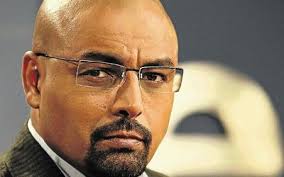
Just where is Pat Pillai?
The television audience must have been wondering just where a person who had become a familiar face in living rooms during prime time news in the evening was.
Well, Pillai has traded the glamour of television broadcasting for ‘low-key’ socialprenuership, as Chief Executive Officer of Life Co unlimited.
Lifeco is involved in the development of young entrepreneurs in South Africa. According to Pillai, the organisation is primarily concerned with fixing the big legacy gap in South Africa and across large parts of Southern Africa.
Pillai is very aware that initiatives aimed at encouraging an entrepreneurial mindset set have nothing tangible to show for as their main focus has been on throwing billions of money into programmes without doing the basics right. Thus, the organisation is on a mission to change the way people look at doing business.
“It is a way of thinking. It is not a series of qualifications you need to get. If that were the case, we’d have the most successful nation in the world with all the business plans we’ve written. We focus entirely on that. It’s a deep consciousness of achievement and entrepreneurial thinking,” he says.
Relative where it came from, LifeCo has made progress. So far, it has reached over 55,000 budding entrepreneurs in the region.
But, as Pillai would acknowledge, there is a mountain to climb. Duly, LifeCo has raised R32 million from Industrial Development Corporation and Standard Bank to support its programmes.
Tales of organisation heads that have pocketed millions purportedly meant for ‘noble’ causes have driven people to be cynical. But Pillai says his organisation is managed differently.
“LifeCo Unlimited itself is a social enterprise. We’ve chosen to do it as a Trust. I don’t own a piece of it and neither can you. Ultimately, it’s this entity that has an asset base of R110m, which we’ve built up over the last 18 years. We put that to work and we sell our services to other organisation,” he says. “We sell our services to universities, schools, companies, and Government. We’ll invoice them and we’ll then provide our programs as well as the capitalising of these individuals, and do so at a mark-up (at a fee). Any profits made are put right back into schools that have the least and keep them in the system, and develop those young people.”
