
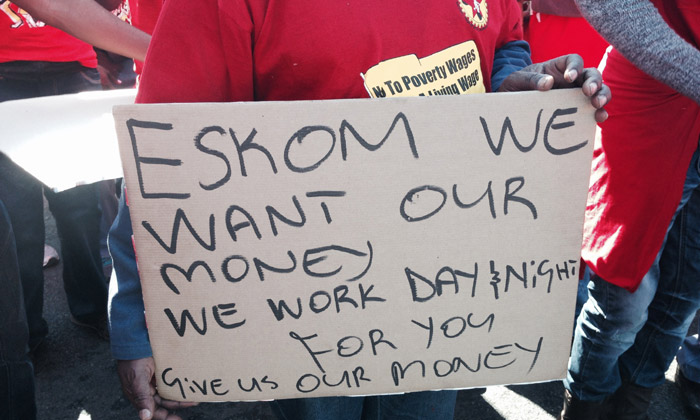
Customarily, every year during winter unionised workers down their tools demanding salary increases at all costs. Most times the figures presented are unsustainable and unreasonable, out of kilter with economic realities and incongruous with the level of their productivity. But employers do not yield to the demands, resulting into a deadlock which persists for a month (even longer).
The following are three aspects behind the strike worth noting:
- Unions competing for relevance
Other unions are striking, so why not us? Unions whose significance is becoming obsolete daily utilise whatever publicity mileage their get from the strike to prove there are more pro-worker than their rivals. The crux of the matter is: The public, more especially workers, have become more cynical, questioning why they should be paying membership fees to benefit the lavish lifestyles of their secretary generals, or, inadvertently, being drawn into political battles in the tripartite alliance which are not part of their bread and butter.
- Workers fighting for a living wage
Times are tough and workers are feeling the strain. Prices of basic commodities seem to be in a perpetual increase, with no end in sight. With no one in their organisations willing to address their needs, a mass strike under the banner of their unions becomes a last resort.
- Public apathy with poor basic services
Strikes can be platform on which the public (which union members are part of) express discontent with poor basic services or lack of. They are heavily taxed every month and they expect to get value for their money’s worth.
